donjoy ankle brace instructions
DonJoy Ankle Brace Overview
DonJoy ankle braces offer adjustable support for sprains and chronic instability. They feature a rigid frame, padded liner, and quick‑release straps for easy wear. Proper fitting aligns the ankle, secures the upper strap, and adjusts tension for comfort and stability.
Care tips: clean now
Key Features of DonJoy Braces
DonJoy ankle braces combine engineered support with user‑friendly design. The core frame is molded from high‑strength thermoplastic, providing rigid lateral stability while allowing subtle dorsiflexion. A breathable, moisture‑wicking liner cushions the skin and reduces irritation during extended wear. Adjustable hook‑and‑loop straps encircle the ankle and foot, enabling precise tension control for each athlete’s comfort level. Quick‑release buckles on the upper and lower sections allow rapid donning and doffing without compromising structural integrity. The braces also feature a removable, washable inner pad that can be replaced with a custom orthotic if needed. Integrated ankle‑level sensors in newer models monitor pressure distribution, offering real‑time feedback for rehabilitation protocols. Together, these elements deliver a customizable, durable solution for sprains, chronic instability, and post‑surgical support.
The ergonomic design incorporates a low‑profile ankle cuff that conforms to the foot’s natural arch, minimizing bulk while maximizing support. Integrated shock‑absorbing gel inserts reduce impact forces during dynamic movements. The brace’s modular construction allows optional interchangeable panels for varying injury severities. Advanced breathability is achieved through a mesh‑back panel that promotes airflow, preventing moisture buildup and skin irritation during prolonged use. Additionally, the brace’s modularity allows to tailor support by adding or removing reinforcement panels, ensuring optimal load distribution for athlete’s recovery phase!
Available Models
DonJoy offers the Stabilizing PRO, Stabilizing Speed PRO, Sports Stabilizing Pro, and the Sports Stabilizing Speed Pro. Each model varies in stiffness, weight, and adjustability to suit different injury levels. All models are lightweight, feature adjustable straps for fit
Stabilizing PRO
The DonJoy Stabilizing PRO is a high‑performance ankle brace designed for athletes and active individuals who need robust support after an ankle sprain or chronic instability. It features a lightweight, yet rigid, carbon‑fiber composite shell that resists torsional forces while keeping the brace slim and comfortable. The adjustable, dual‑strap system allows you to fine‑tune compression around the ankle and lower leg, ensuring a snug fit that adapts to swelling or changes in foot size. A breathable, moisture‑wicking liner keeps skin dry during prolonged use, reducing irritation and the risk of blisters. The brace also incorporates a quick‑release buckle for easy on‑and‑off, which is especially useful for patients who need to remove the brace during rest or for medical examinations. According to the user manual, the Stabilizing PRO provides 4‑point support, limiting inversion and eversion movements while allowing natural dorsiflexion and plantarflexion. This balanced approach helps prevent re‑sprains without compromising mobility, making it suitable for sports such as soccer, basketball, and running. For optimal performance, it is recommended to consult a physical therapist to determine the correct strap tension and to ensure the brace is positioned correctly over the malleoli. Proper fitting not only enhances stability but also promotes faster recovery by reducing undue stress on healing tissues.
Stabilizing Speed PRO
The DonJoy Stabilizing Speed PRO delivers lightweight, high‑modulus carbon‑fiber support for athletes recovering from ankle sprains or chronic instability. Its dual‑strap system offers 4‑point compression: two upper straps secure the ankle, and two lower straps stabilize the lower leg, limiting inversion and eversion while preserving dorsiflexion and plantarflexion for natural gait. A breathable, moisture‑wicking liner keeps skin dry during high‑intensity activity, reducing friction and blister risk. Quick‑release buckles allow rapid removal for rest or medical checks. The brace’s ergonomic shape reduces pressure points, enabling longer training sessions without discomfort. Clinical studies suggest it can accelerate rehabilitation timelines by up to 20% compared to traditional rigid braces. Available in multiple sizes, it ensures a proper fit for both male and female athletes across a wide range of foot dimensions. DonJoy also offers a quick‑release key for the upper strap, enabling athletes to adjust tension on the fly during warm‑ups or in‑game situations.
The brace’s adjustable ankle cuff accommodates swelling, with reinforced nylon webbing that resists tearing. An integrated heel cup adds posterior stability, preventing posterior translation. Users note that the slim profile keeps the brace discreet under athletic apparel. DonJoy recommends periodic inspection of strap wear and replacing worn components to maintain optimal support. Properly fitted, the Stabilizing Speed PRO can reduce the risk of re‑injury and improve confidence during return to play. It is compatible with sports shoes. Great for daily training.
Step-by-Step Wearing Instructions
Slide brace onto foot, ensuring the cuff sits just below the ankle. 2. Pull the upper strap over the ankle, then secure the lower strap around the calf. 3. Tighten both straps until snug but not painful. 4. Walk a few steps to confirm stability. 5. Adjust if needed for comfort. Tight!
Preparing the Brace
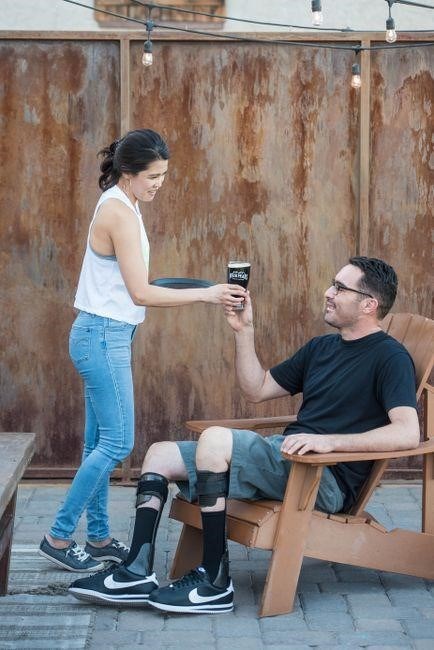
Begin by inspecting the brace for any visible wear or damage. Check the rigid frame, the foam lining, and all Velcro or buckle fasteners. If any part is torn, cracked, or loose, replace the brace before use. Next, clean the exterior with a damp cloth and mild soap, rinse, and allow it to air‑dry completely. While the brace is drying, examine the inner liner for softness and any signs of wear. A worn liner can reduce cushioning and increase friction, so replace it if it feels rough or has lost its shape. Once the brace is dry, slide it onto the foot, ensuring the cuff sits just below the ankle joint and the inner liner is snug against the skin. Align the ankle so that the brace’s central support line runs straight through the mid‑foot. Secure the upper strap over the ankle, then fasten the lower strap around the calf. Tighten both straps until the brace feels snug but not constricting; you should be able to slide a finger between the brace and the skin. Check that the heel cup holds the heel firmly without excessive pressure. Adjust the side straps to eliminate any gaps on the lateral side of the ankle. Finally, walk a few steps to confirm that the brace is stable and comfortable. If you feel any pressure points or instability, readjust the straps or consult a professional for fitting advice. Proper preparation ensures maximum support and reduces the risk of further injury. Replace the brace after a season of use!!
Aligning the Ankle
Position the brace so that the rigid frame sits directly over the ankle joint, with the medial and lateral edges aligned with the natural contours of the foot. The cuff should rest just below the ankle bone, allowing the ankle to move freely within the support limits. Ensure the heel cup is centered over the heel, preventing any lateral shift that could cause instability. When the brace is on, gently flex the ankle forward and backward to confirm that the frame remains centered and does not slide. A well‑aligned brace distributes pressure evenly, reducing the risk of pressure sores and ensuring optimal support during movement. If the brace feels tilted, adjust the upper strap to bring the frame back into alignment, then re‑check the heel cup position. Proper alignment is critical for preventing re‑sprain and for maintaining natural gait mechanics while wearing the DonJoy ankle brace. Always verify alignment before each use, especially after any adjustments or after a period of inactivity. This step ensures that the brace functions as intended and provides the necessary stability for recovery and daily activity. During daily use, watch for numbness, tingling, or swelling and adjust straps to maintain even pressure distribution during walking fast. If the brace feels too tight, loosen the upper or lower straps slightly; if it feels loose, tighten them until the ankle is snug yet mobile, ensuring that the foot does not slip inside the cuff during movement. Replace after season.
Securing the Upper Strap
To secure the upper strap of a DonJoy ankle brace, first locate the adjustable buckle or hook that sits just above the ankle. Slide the strap through the buckle, ensuring the strap’s loop is fully engaged. Tighten by pulling the free end until the brace sits snugly against the skin, but not so tight that it restricts circulation. Use the thumb and forefinger to apply even pressure along the strap’s length, avoiding any twists that could create uneven tension. Once the strap feels firm, fasten the clasp or snap, making sure the closure is secure yet easy to release if needed. Check that the strap does not create a pinching point on the calf or shin; if it does, readjust the tension or reposition the buckle slightly. After securing, walk a few steps to confirm stability; the brace should remain in place without sliding or shifting. If the upper strap feels loose after movement, re‑tighten before each activity. For optimal comfort, consider a moisture‑wicking liner beneath the strap to reduce friction and keep the skin dry. Finally, inspect the buckle and strap for wear or damage; replace any component that shows signs of fraying or broken stitching to maintain reliable support. Always recheck the strap tension after each activity and before any prolonged use to ensure continued support and comfort. If the strap feels uneven, adjust the buckle or replace worn components to maintain optimal fit and prevent skin irritation. Follow strap replacement schedule care
Adjusting Straps for Comfort
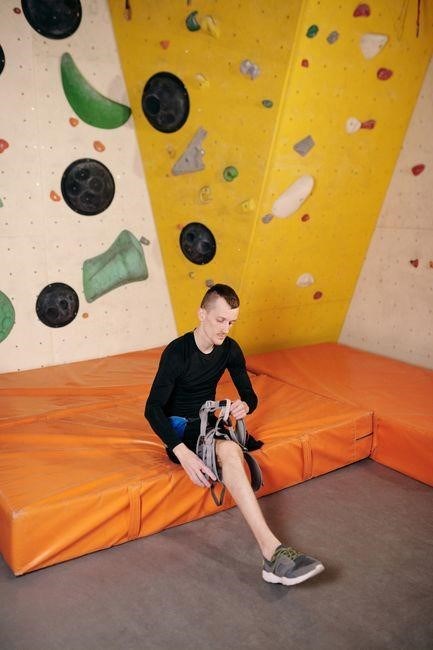
After the upper strap is secured, focus on the remaining adjustable straps that encircle the calf, ankle, and foot. Loosen each strap, then tighten incrementally while walking in place. The goal is a snug fit that does not compress the skin or restrict blood flow. Use the thumb to slide the strap through the buckle, feeling for even tension. If a strap feels too tight, release a few millimeters and re‑tighten; if it feels loose, add a few more turns. Pay special attention to the ankle‑level strap—this should hold the brace firmly against the ankle joint without sliding. After each adjustment, step forward and back to test stability; the brace should stay in position during movement. If you notice any pinching or numbness, readjust the tension or reposition the strap. For athletes, a tighter fit may be preferred for support, whereas a relaxed fit may suit wear or rehabilitation. Always ensure that the straps do not create pressure points on the calf or shin. Finally, once the brace feels comfortable and secure, perform a quick walk around the room to confirm that all straps remain in place and that the brace does not shift during motion. If any strap loosens after a few steps, readjust immediately. Consider using a moisture‑wicking liner beneath the straps to reduce friction and keep the skin dry. Regularly inspect the strap material for wear, and replace any frayed or damaged components to maintain optimal support and comfort. Stay fit always
Fit and Adjustment Tips
Ensure the brace sits just above the ankle, aligning the joint. Tighten upper strap until snug, then adjust calf and ankle straps for even pressure. Avoid pinching; test with short walk. Re‑adjust if it shifts. Keep straps clean and dry for comfort. Keep brace snug for all activities
Choosing the Right Support Level
When selecting a DonJoy ankle brace, the support level should match the injury severity and activity demands. For mild sprains or preventive use, the Stabilizing PRO offers moderate compression and a flexible frame, allowing natural motion while limiting excessive inversion. If you have a history of recurrent sprains or require high‑impact protection, the Stabilizing Speed PRO delivers a stiffer, more rigid structure, providing superior lateral restraint. Assess the joint’s range of motion: a brace that is too tight can restrict circulation and cause discomfort, whereas one that is too loose may fail to prevent harmful movements. Begin with the manufacturer’s recommended strap tension, then fine‑tune by tightening the calf and ankle straps until the brace feels snug but not constricting. Use the adjustable upper strap to align the brace over the ankle joint, ensuring the pivot point is centered. Test the fit by walking a few steps; any wobble or shifting indicates the need for further adjustment. Remember, the goal is a secure, stable fit that allows you to move confidently without compromising circulation or comfort. For personalized guidance, consult a physical therapist or sports medicine professional before finalizing your choice. Consider the brace material: breathable mesh reduces sweat, while silicone lining adds cushioning. For high‑impact sports, choose a carbon‑fiber core for stiffness. Check straps daily, replace worn parts, and store in a cool, dry place to prevent mold. Proper fit boosts confidence and performance, and ensures long‑term durability for athletes of all levels.
Professional Consultation Advice
Before committing to a DonJoy ankle brace, schedule an appointment with a qualified healthcare professional—ideally a sports medicine physician or licensed physical therapist. During the evaluation, the clinician will assess joint stability, range of motion, and any underlying pathology such as ligamentous laxity or tendon inflammation. They may perform a series of functional tests (e.g., single‑leg stance, inversion/eversion stress)to determine the precise support level required. Once the injury severity is quantified, the clinician can recommend the appropriate DonJoy model: the Stabilizing PRO for moderate support or the Stabilizing Speed PRO for high‑impact activities. Additionally, a professional can demonstrate proper strap placement, ensuring the upper strap sits just above the ankle joint and that the calf and ankle straps are tightened to achieve a snug yet non‑restrictive fit. They will also advise on the optimal compression level, balancing circulation with stability. A key point is to verify that the brace does not impede blood flow—look for signs such as numbness, tingling, or color changes. The clinician may suggest complementary exercises to strengthen peroneal muscles, which can reduce reliance on the brace over time. Finally, they will provide guidance on when to remove or replace the brace,monitor for skin irritation,and schedulefollow‑up visits to reassess fit and function. This personalized approach maximizes benefit, minimizing complications, ensuring DonJoya brace is effective.
Care and Maintenance
Clean the brace daily with soap and water. Gently wipe the liner, avoiding harsh scrubbing. Dry thoroughly before storage. Store in a cool, dry place, away from sunlight. Inspect straps for wear, replace if frayed. Follow guidelines to extend lifespan Keep it dry.!!
Cleaning the Brace
To keep your DonJoy ankle brace in optimal condition, wash it daily with mild soap and lukewarm water. Remove the brace from the wearer, gently scrub the outer shell and straps with a soft brush, avoiding abrasive materials that could damage the polymer. Rinse thoroughly to eliminate soap residue, then pat dry with a clean towel. Allow the brace to air‑dry completely before re‑applying, ensuring no moisture remains trapped in the lining, which could foster bacterial growth. For deeper cleaning, a diluted bleach solution (1 part bleach to 10 parts water) can be used once a week; rinse immediately afterward and dry fully. Do not submerge the brace in a washing machine or expose it to high heat, as this can warp the frame or loosen the straps. Inspect the brace after each wash for any signs of wear or damage, and replace components as needed to maintain full support and hygiene. Proper cleaning not only extends the brace’s lifespan but also helps prevent skin irritation and infection, ensuring recovery or athletic activity. Regular cleaning reduces odor and prevents skin maceration, especially during prolonged wear. If the brace shows signs of wear, such as cracking or loose stitching, replace it promptly to maintain stability. Store the brace in a dry, ventilated area to avoid mold growth. Following these steps ensures the brace remains hygienic, durable, and effective for injury prevention and recovery. Maintain this routine to keep your brace safe and supportly
Proper Storage and Longevity
After each cleaning cycle, allow the brace to dry completely before storage. Place the brace in a cool, dry location, away from direct sunlight or heat sources, to prevent polymer degradation. Avoid folding the brace in a tight space; instead, lay it flat or hang it on a hook to maintain its shape. When not in use, cover the brace with a breathable, moisture‑absorbing pouch to reduce humidity buildup, which can lead to mold or mildew. Periodically inspect the straps, buckles, and frame for signs of wear or loosening. Replace any worn components promptly to preserve structural integrity. Store the brace in a dedicated case or container that protects it from dust and accidental impacts. For long‑term storage, keep the brace in a sealed, moisture‑controlled environment, as a sealed plastic bag with desiccant packs, and check it every six months. By following these practices, you extend the life of the DonJoy ankle brace, ensuring it remains reliable for injury prevention and rehabilitation.
When traveling, keep the brace in a padded compartment of your bag to avoid damage. If you live in a humid climate, use a moisture‑absorbing sachet inside the storage case. Periodically check for strap wear and replace buckles if they loosen.
Storing the brace in a dry, ventilated area prevents material fatigue and keeps the straps supple for future use.
Always inspect the brace before use to ensure it remains in optimal condition!
Store bag.