
ameb piano syllabus pdf free
Discover how free PDF versions of the Ameb Piano Syllabus empower learners worldwide․ These resources offer step‑by‑step guidance, practice schedules, and performance milestones, all in a convenient digital format that can be accessed anytime, anywhere․ Use them to master technique daily!??
Overview of Ameb Piano Syllabus
The Ameb Piano Syllabus offers a structured roadmap for pianists, blending technical drills, repertoire selection, and performance assessment․ Its free PDF format allows instant download, easy annotation, and offline study, making advanced learning accessible to all skill levels worldwide for self‑paced progress now․

History and Development

From its humble beginnings in the early 1990s, the Ameb Piano Syllabus emerged as a response to the fragmented nature of piano education worldwide․ A consortium of seasoned educators, many trained in European and American traditions, convened in Berlin to draft a unified framework that balanced technical rigor with expressive depth․ The first version, sketched on a whiteboard, emphasized progressive skill acquisition and repertoire selection, laying the groundwork for a global pedagogical standard․ The collaborative process involved workshops across continents, gathering insights from Asia, Africa, and Latin America, ensuring the syllabus reflected diverse cultural perspectives while maintaining a coherent progression․
Over the next decade, iterative revisions refined the syllabus, incorporating feedback from teachers and students alike․ By the mid-2000s, several national music academies formally adopted the Ameb framework, and its influence spread through seminars, masterclasses, and online forums․ The early 2010s saw the syllabus digitized into PDF format, making it freely accessible worldwide and eliminating geographic barriers to high-quality instruction․ This digital shift also enabled educators to annotate, customize, and share resources within local communities, fostering a collaborative learning environment that transcended traditional classroom boundaries․
The syllabus is organized into progressive modules, each focusing on specific technical skills such as scales, arpeggios, and rhythmic precision, while simultaneously introducing pieces that embody stylistic nuances from Baroque to contemporary․ Assessment rubrics accompany each module, allowing instructors to track progress objectively and provide constructive feedback․ As the digital age continues to reshape music education, the Ameb Piano Syllabus remains a dynamic, regularly updated resource that resonates with modern audiences and supports learners at all levels․ Its free PDF distribution breaks barriers․
Core Curriculum
At the heart of the Ameb Piano Syllabus lies a meticulously structured core curriculum designed to guide students from foundational technique to advanced musicality․ The curriculum is divided into six progressive levels, each comprising technical studies, repertoire, and assessment criteria․ Technical studies focus on scales, arpeggios, and rhythmic patterns, ensuring a solid technical base․ Repertoire selections span a wide stylistic range—from Baroque sonatas to Romantic concertos and modern jazz pieces—providing contextual learning and stylistic awareness․ Assessment criteria are clearly defined, with rubrics that evaluate tone, articulation, phrasing, and musical expression․ Each level culminates in a performance project that encourages students to apply their skills in a real‑world context, fostering confidence and stage presence․ The syllabus also integrates ear‑training exercises, sight‑reading drills, and improvisation modules, promoting holistic musicianship․ Additionally, the curriculum offers optional extension modules for advanced students, covering advanced harmony, counterpoint, and contemporary composition techniques․ By aligning technical development with expressive growth, the core curriculum ensures a balanced, engaging, and sustainable learning journey for pianists of all ages and backgrounds․ Students are encouraged to collaborate across levels, sharing insights and performance recordings, which fosters a community of practice that refines technique and interpretation, ensuring each learner’s journey is personally rewarding and professional․ Fosters collaborative growth!!

Advantages of PDF Format
PDFs provide instant, device‑agnostic access to the Ameb syllabus, enabling study on laptops, tablets, or phones․ They preserve formatting, support annotations, and allow offline use, making practice sessions flexible and reliable․ Download once, use everywhere and collaborate daily!!

Accessibility
Free Ameb Piano Syllabus PDFs open doors for students everywhere, regardless of device or ability․ PDFs run on Windows, macOS, Linux, Android, iOS, and even older hardware, so a child with a basic smartphone can download the entire syllabus and practice on the go․
Assistive technology shines with PDFs: screen readers can read the text, and many PDF creators tag the file for braille displays and other adaptive devices․ Metadata and proper tagging make the syllabus usable for visually impaired pianists, ensuring equal access to lessons and exercises․
Zooming is a major benefit․ Vector graphics in PDFs scale cleanly, allowing students to enlarge sheet music, chord charts, and practice schedules without losing clarity․ This helps young learners who need larger fonts and teachers who want to project the syllabus on a classroom screen․
Offline storage is another win․ Once downloaded, the PDF can be accessed anytime, even without internet․ It can be printed for a tactile experience or opened on a tablet for interactive study․ Direct annotation—highlighting, underlining, sticky notes—lets students mark key passages and track progress in real time․
Because the format is standardized, educators can share a single PDF with multiple students, guaranteeing consistent material across lessons․ Compression reduces download time, and checksum verification preserves file integrity․ All these features make the free PDF version of the Ameb Piano Syllabus an inclusive, reliable, and versatile tool for anyone eager to improve their piano skills․
Flexibility
The free PDF format of the Ameb Piano Syllabus offers flexibility for students and teachers․ PDFs are platform‑agnostic, opening on desktop, laptop, tablet, or smartphone without proprietary software․ This ensures a learner can study on any device, whether at school, home, or while traveling․
Customizing the syllabus is easy: rearrange pages, extract lessons, or merge PDFs to create a personalized study plan․ The vector graphics keep quality when resizing, letting teachers enlarge or shrink material for group or solo practice․
Interactive features include hyperlinks, bookmarks, and embedded media․ Clickable links lead to video demos and audio recordings, while annotation tools let students highlight passages and add margin notes for feedback․
Distribution is simple: the PDF can be emailed, stored in cloud, or shared via learning platforms․ No installation is required, saving time for educators and students alike․ The free format keeps the syllabus accessible everywhere․
Lightweight PDFs download quickly even on low bandwidth, making them ideal for students in remote areas․ Cached locally, they provide uninterrupted access during practice, supporting diverse learning styles and schedules․
Because the syllabus is available for free, educators can incorporate it into curriculum plans without budget constraints․ Students can download multiple copies, print sections for hands‑on practice, or annotate directly on the PDF, creating a dynamic learning environment that adapts to individual progress․ Students can also share PDFs․
Finding Free PDF Resources
Explore trusted sites, official music boards, and community forums where educators share the Ameb Piano Syllabus in PDF․ Search with keywords like “Ameb Piano Syllabus PDF free download” to find reliable links, verify authenticity, and download instantly․ Ensure you check the file size and compatibility saving․!!
Official Channels
Official channels for obtaining the Ameb Piano Syllabus in PDF format include publisher’s site, music education portals, and distributors․! The publisher typically offers a free download for students and teachers who register with a valid email address․ By visiting the official site, users can access the syllabus in multiple languages, ensuring accurate translation of technical terms and performance guidelines․ Additionally, many national music associations provide free PDFs through their online libraries after a brief verification process․ These associations often host webinars and tutorials that complement the syllabus, allowing learners to integrate the material into structured practice sessions․ For those who prefer a physical copy, the official channels sometimes offer low‑cost printing options or provide printable PDFs that can be printed directly from a home or school printer․ It is essential to verify that the PDF is the latest version, as updates may include new repertoire, revised assessment criteria, and additional pedagogical insights․ By using official channels, users avoid potential copyright infringement and ensure that the content is authentic, up‑to‑date, and supported by the creators’ educational mission․ This approach also encourages direct engagement with the publisher’s support resources, such as FAQs, downloadable practice sheets, and community forums where educators can share insights and ask questions․ Ultimately, official channels provide a reliable, secure, and compliant method to access the Ameb Piano Syllabus, fostering an experience․!!!
Community Sharing
Community sharing platforms such as forums, social media groups, and educational repositories have become invaluable for students and teachers seeking the Ameb Piano Syllabus in PDF form․ These informal channels allow users to exchange scanned copies, links to legitimate downloads, and annotated versions that highlight key passages or provide performance tips․ By leveraging peer networks, learners can access a wide range of supplementary materials—practice logs, rehearsal recordings, and even video tutorials that align with the syllabus milestones․ However, it is crucial to verify the authenticity of shared files, as some links may point to outdated or corrupted versions․ Many communities maintain a “verified” tag or a curator list to ensure that the PDFs match the publisher’s latest release․ Some groups even host live Q&A sessions with experienced instructors who can clarify ambiguous syllabus sections or recommend additional repertoire․ Importantly, community sharing often extends beyond mere distribution; it fosters a culture of mutual support, where students help each other navigate challenging pieces, troubleshoot technical issues, and celebrate performance milestones․ This collective approach not only democratizes access to high‑quality educational resources but also cultivates a sense of belonging among musicians worldwide․ By participating responsibly—respecting copyright guidelines, providing proper attribution, and contributing back to the community—users can enjoy the full benefits of shared knowledge while upholding the integrity of the Ameb Piano Syllabus․ Enjoy learning!!!

Practical Usage Tips
Download the free PDF, then organize it into a printable booklet for daily use․ Highlight tempo markings and dynamic changes with highlighters․ Use a digital note app to add personal comments, and schedule rehearsal blocks that align with syllabus milestones․ Track progress with a spreadsheet, and review now to difficulty․
Printing and Annotation
When working with the free PDF of the Ameb Piano Syllabus, printing and annotating are key steps to turn a digital document into a practical study aid․ Begin by selecting a high‑resolution printer that supports duplex printing to save paper․ Use a paper size that fits the syllabus layout—A4 or Letter—so that all pages remain legible․ Adjust the print settings to ensure that the margins are set to the recommended width, typically 1․5 cm on all sides, to prevent any text from being cut off․ If the PDF contains multiple pages per sheet, use the “booklet” option in your print dialog to keep the order correct․ After printing, use a light‑weight, non‑inked pen for initial notes․ Light‑colored pens (blue or green) are preferable because they do not bleed through the paper and are easy to erase if needed․ For more permanent markings, switch to a fine‑point ballpoint or a gel pen in a darker hue, but test on a spare sheet first to confirm that the ink does not smudge when the sheet is turned․ To keep track of progress, mark each completed lesson with a small check‑mark or a colored dot․ If you prefer digital annotation, many PDF readers allow you to add sticky notes, highlight text, and draw directly on the page․ Synchronize these notes with a cloud service so that you can access them from any device․ When using a tablet, a stylus can provide a natural writing experience, and the notes can be exported as a separate layer, preserving the original PDF․ Finally, consider binding the printed pages into a loose‑leaf binder or a spiral notebook․ This allows you to add or remove pages as you advance through the syllabus, ensuring that your study material stays up‑to‑date․ By combining thoughtful printing practices with strategic annotation, you can to
Digital Study Plans
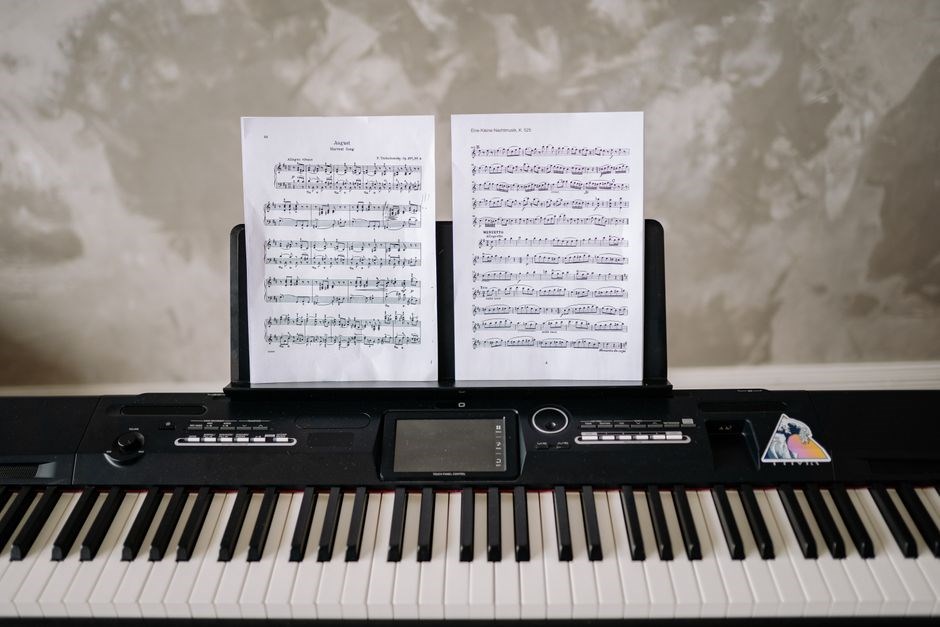
Creating a structured digital study plan around the free Ameb Piano Syllabus PDF can transform practice sessions into measurable progress․ Begin by segmenting the syllabus into weekly milestones, each with a clear objective—such as mastering a specific piece, technique, or theory concept․ Use a spreadsheet or a dedicated app to log daily practice time, noting tempo, dynamics, and any technical challenges encountered․ Digital tools allow you to attach audio recordings of your playing, so you can objectively compare performance week over week․ Incorporate spaced repetition by scheduling review sessions for previously completed lessons; this reinforces muscle memory and theoretical understanding․ Set reminders on your phone or computer, and use color‑coding to differentiate between technical drills, repertoire, and sight‑reading tasks․ For collaborative learning, share your plan with a teacher or peer via cloud storage, enabling real‑time feedback․ Finally, periodically export your study log to PDF or CSV format to track long‑term trends and celebrate milestones, keeping motivation high throughout the learning journey․ By integrating these digital strategies, students can maintain a clear overview of their development, identify weak areas quickly, and adjust practice intensity accordingly․ Additionally, many platforms offer analytics dashboards that visualize progress over time, making it easier to set realistic goals and celebrate incremental achievements; The flexibility of digital study plans also means you can swap lessons, insert new repertoire, or adjust tempo targets on the fly, ensuring that your learning path remains aligned with your evolving interests and skill level․ With these tools, learners can effortlessly adjust their schedules, track progress metrics, and stay motivated throughout the entire learning curve․ All this is available at zero cost for free!!