
the kite runner filetype pdf
The Kite Runner PDF: A Comprehensive Guide
Navigating the digital landscape for a “The Kite Runner” PDF requires discernment‚ as numerous sources offer varying quality and legality.
Finding a reliable filetype pdf version demands careful consideration of potential risks and ethical implications‚ ensuring a secure and legitimate download experience.
Numerous online platforms host digital copies‚ but verifying authenticity and avoiding malware is paramount when seeking a “The Kite Runner” PDF;
Prioritize reputable sources and exercise caution when downloading to safeguard your device and respect copyright laws regarding the filetype pdf.
Understanding the Novel’s Popularity
Khaled Hosseini’s “The Kite Runner” resonates deeply with readers globally‚ achieving widespread acclaim and enduring popularity for several compelling reasons. The novel’s exploration of universal themes – guilt‚ redemption‚ familial bonds‚ and the devastating impact of political turmoil – transcends cultural boundaries‚ forging a powerful connection with diverse audiences.
The narrative’s emotional depth and evocative prose contribute significantly to its appeal‚ drawing readers into the complex lives of Amir and Hassan. The story’s setting within a historically rich and often misunderstood Afghanistan adds another layer of intrigue‚ prompting reflection on cultural differences and the human cost of conflict.
Furthermore‚ the accessibility of the novel‚ even through digital formats like a “The Kite Runner” PDF‚ has broadened its reach‚ allowing more individuals to experience its poignant message. The story’s ability to spark conversations about morality‚ forgiveness‚ and the search for personal peace solidifies its place as a modern literary classic‚ continually captivating new generations of readers.
Finding a Reliable PDF Version
Locating a trustworthy “The Kite Runner” PDF requires a strategic approach‚ prioritizing safety and legality. While numerous websites claim to offer free downloads‚ many harbor malware or violate copyright laws. Opting for established online bookstores or digital libraries is a safer bet‚ though often involves a purchase.
Before downloading any file‚ meticulously scan it with reputable antivirus software to mitigate potential security risks. Look for PDFs originating from verified sources‚ avoiding suspicious links or websites with poor reputations. Consider utilizing university or institutional library access‚ which often provides legitimate digital copies.
Remember that free “The Kite Runner” PDF downloads may be illegally distributed‚ supporting piracy and potentially exposing you to legal consequences. Supporting the author and publisher through legitimate channels ensures continued literary creation and ethical access to this impactful novel.
Legality and Ethical Considerations of PDF Downloads
Downloading a “The Kite Runner” PDF without proper authorization raises significant legal and ethical concerns. Copyright laws protect Khaled Hosseini’s work‚ granting exclusive rights to the author and publisher; Obtaining a PDF through unauthorized channels constitutes copyright infringement‚ potentially leading to legal penalties for the downloader.
Beyond legal ramifications‚ ethical considerations are paramount. Supporting authors and publishers through legitimate purchases ensures they can continue creating valuable literary works. Illegally downloaded PDFs deprive creators of their rightful compensation and undermine the publishing industry.
Choosing to purchase a legal PDF demonstrates respect for intellectual property and fosters a sustainable ecosystem for literature. Consider the impact of your choices and prioritize ethical consumption when accessing “The Kite Runner” in digital format.

Exploring the Story of “The Kite Runner”
Delving into Hosseini’s narrative reveals a poignant tale of friendship‚ betrayal‚ and redemption‚ beautifully crafted within the Afghan landscape and cultural context.

A Summary of the Plot
“The Kite Runner” unfolds the complex relationship between Amir‚ a privileged boy‚ and Hassan‚ the son of his father’s servant‚ in Kabul‚ Afghanistan. Their shared passion for kite flying forms the heart of their bond‚ tragically shattered by a pivotal event during a kite-flying tournament.
Amir’s subsequent guilt and betrayal haunt him for decades‚ leading him on a journey of redemption years later. Following the Soviet invasion and the rise of the Taliban‚ Amir returns to a war-torn Afghanistan to rescue Hassan’s son‚ Sohrab‚ confronting his past and seeking atonement.
The narrative intricately weaves themes of childhood innocence‚ societal injustice‚ and the enduring power of friendship. It’s a story of facing one’s demons‚ seeking forgiveness‚ and ultimately‚ finding a path towards healing amidst a backdrop of political turmoil and personal sacrifice. The plot’s emotional depth resonates with readers globally.
Key Characters and Their Relationships
Amir and Hassan share a profoundly complex bond‚ defined by childhood friendship‚ class disparity‚ and ultimately‚ betrayal. Amir’s internal conflict stems from his inability to defend Hassan‚ creating a lifelong burden of guilt.
Baba‚ Amir’s father‚ is a stoic and imposing figure‚ harboring secrets that impact both his son and Hassan. His relationship with Amir is strained by unspoken expectations and a desire for connection.
Sohrab‚ Hassan’s son‚ represents innocence lost and the possibility of redemption. Amir’s journey to rescue Sohrab becomes a symbolic act of atonement for his past actions. Relationships are further shaped by Assef‚ the antagonist‚ embodying brutality and prejudice.
These interconnected relationships drive the narrative‚ exploring themes of loyalty‚ sacrifice‚ and the enduring consequences of choices made in youth.
Themes of Guilt‚ Redemption‚ and Betrayal
Guilt permeates “The Kite Runner‚” stemming from Amir’s betrayal of Hassan during the kite-flying tournament. This act casts a long shadow‚ shaping his life and fueling a desperate need for atonement.
Redemption becomes Amir’s central quest‚ manifested in his perilous journey to rescue Sohrab. This act isn’t simply about saving a child‚ but about confronting his past and seeking forgiveness.
Betrayal is a recurring motif‚ extending beyond Amir and Hassan to encompass broader societal and political contexts within Afghanistan. The novel explores the devastating consequences of broken trust and shattered loyalties.
These interwoven themes create a powerful narrative examining the complexities of human morality‚ the enduring power of the past‚ and the possibility of finding solace through acts of courage and self-sacrifice.

Analyzing Literary Elements
Delving into “The Kite Runner” reveals Hosseini’s masterful storytelling‚ employing vivid imagery and poignant symbolism to explore complex themes within a compelling narrative structure.
Khaled Hosseini’s Writing Style
Khaled Hosseini’s prose is characterized by its lyrical quality and emotional depth‚ seamlessly blending vivid descriptions with introspective character development. He masterfully employs first-person narration‚ particularly in “The Kite Runner‚” fostering a deeply personal connection between the reader and Amir‚ the protagonist.
Hosseini’s style isn’t overly ornate; rather‚ it’s accessible and direct‚ allowing the story’s emotional weight to resonate powerfully. He frequently utilizes foreshadowing‚ subtly hinting at future events and building suspense throughout the narrative. This technique enhances the reader’s engagement and creates a sense of inevitability.
Furthermore‚ Hosseini’s writing is notable for its cultural specificity‚ authentically portraying Afghan traditions‚ customs‚ and societal structures. He doesn’t shy away from depicting the harsh realities of life in Afghanistan‚ yet does so with sensitivity and nuance‚ avoiding simplistic portrayals. This commitment to authenticity adds layers of complexity and richness to his storytelling.
Symbolism in “The Kite Runner” (Kites as a Motif)
Kites in “The Kite Runner” transcend their literal form‚ functioning as a potent symbol of childhood innocence‚ freedom‚ and ultimately‚ lost opportunities. The act of kite flying represents a fleeting moment of joy and connection between Amir and Hassan‚ embodying their shared bond before tragedy strikes.
The kites also symbolize social status and privilege‚ with kite fighting serving as a competitive arena where social hierarchies are reinforced. Amir’s skill in kite flying initially represents his desire for his father’s approval‚ a validation he desperately seeks.

However‚ the fallen kite becomes a symbol of betrayal and guilt‚ haunting Amir throughout his life. Retrieving the blue kite represents a chance at redemption‚ a symbolic act of reclaiming his lost honor and confronting his past. The recurring motif underscores the novel’s central themes of guilt‚ atonement‚ and the enduring power of memory.
The Historical and Cultural Context of Afghanistan
“The Kite Runner” is deeply rooted in the tumultuous history of Afghanistan‚ spanning from the monarchy through the Soviet invasion‚ the rise of the Taliban‚ and the subsequent American intervention. Understanding this context is crucial to appreciating the novel’s complexities.
The story vividly portrays the vibrant cultural traditions of pre-war Afghanistan‚ particularly the Pashtunwali code of honor‚ which governs social interactions and emphasizes hospitality‚ loyalty‚ and revenge. Kite flying itself is a significant cultural pastime‚ deeply embedded in Afghan society.
The novel doesn’t shy away from depicting the devastating impact of political upheaval on the Afghan people‚ highlighting the displacement‚ violence‚ and loss of innocence that characterized decades of conflict. Hosseini masterfully weaves historical events into the narrative‚ providing a poignant backdrop for the characters’ personal journeys.

Resources for Studying “The Kite Runner”
Numerous online platforms offer supplementary materials‚ including study guides‚ character analyses‚ and insightful discussions related to “The Kite Runner” filetype pdf.
Explore academic databases and educational websites for scholarly articles and critical essays enhancing comprehension of the novel’s themes.
Online Kite Tutorials & Related Concepts
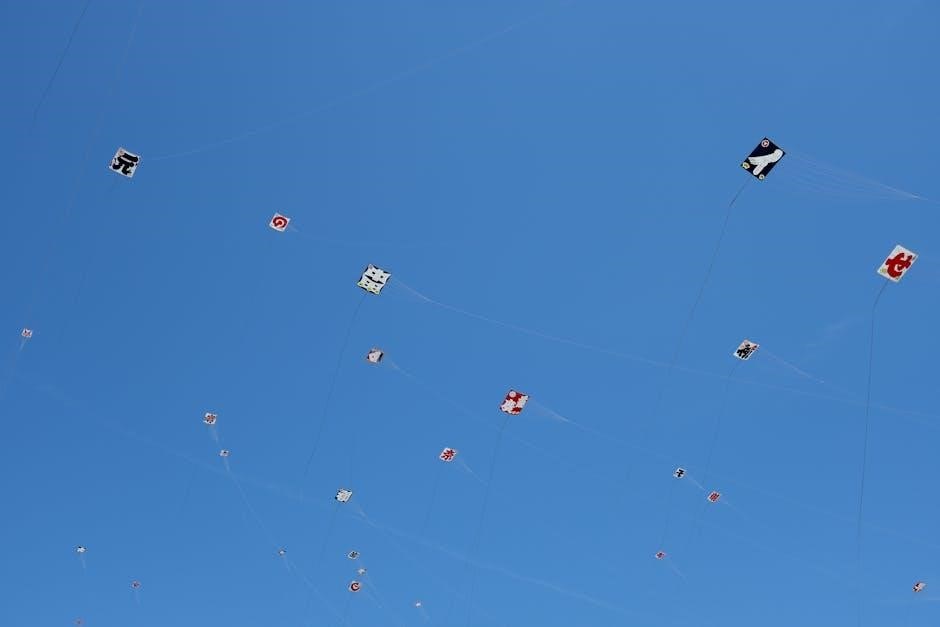
While seemingly unrelated to the novel’s narrative‚ exploring the art and science of kite flying offers a fascinating parallel to the symbolic significance of kites within “The Kite Runner” filetype pdf.
Numerous online resources provide comprehensive kite tutorials‚ ranging from beginner-friendly guides to advanced techniques for sport kite flying and trick maneuvers. Websites showcase diverse kite designs‚ styles‚ and disciplines‚ mirroring the limitless imagination inherent in the pastime.
Video tutorials‚ both free and premium‚ demonstrate essential skills for constructing and flying dual and quad-line kites‚ offering a hands-on understanding of the mechanics involved.
Discussion forums‚ like KiteLife‚ foster a vibrant community where enthusiasts share knowledge‚ classifieds‚ and discuss modern trick flying techniques‚ from Jacobs Ladders to Cometes.
Understanding kite types—snowflake kites‚ Sutton Flow Forms‚ and even indoor ultralight designs—provides context for appreciating the cultural relevance and emotional weight of kites in Hosseini’s work.

Kite Types and Their Significance
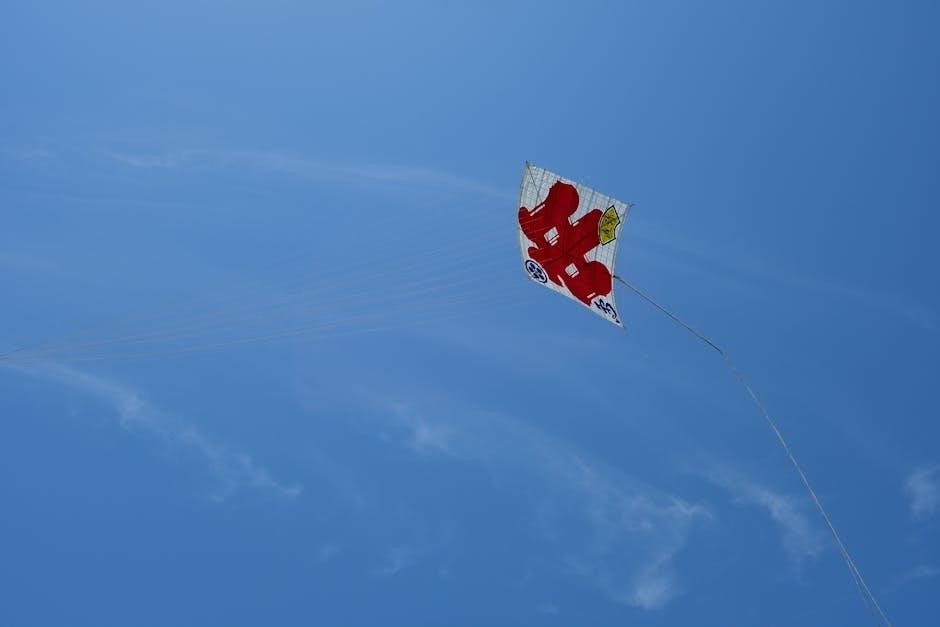
Beyond simple toys‚ kites represent a diverse spectrum of designs‚ each with unique characteristics and flying styles‚ mirroring the complexities within “The Kite Runner” filetype pdf. From traditional single-line kites to sophisticated dual and quad-line sport kites‚ the variations are extensive.
Exploring kite classifications—like snowflake kites‚ Waldof Star kites‚ or even nylon Skynasaurs—reveals a world of engineering and artistry. Kite surfing‚ a blend of extreme and wind sports‚ exemplifies the dynamic potential of these aerial creations.
Indoor kite flying‚ utilizing ultralight designs‚ demonstrates a mastery of aerodynamics and control‚ defying conventional expectations. These specialized kites‚ capable of gliding and powered flight within confined spaces‚ highlight the ingenuity of kite construction.
Understanding these diverse forms enriches the reader’s appreciation for the symbolic weight of kites in the novel‚ representing freedom‚ childhood‚ and fractured relationships.
Discussion Forums and Online Communities
Engaging with online forums dedicated to kites and literature provides a valuable space for dissecting the symbolism and themes within “The Kite Runner” filetype pdf. Platforms like KiteLife Forum host dedicated sections for classifieds‚ trick flying discussions‚ and general kite-related inquiries.
These communities foster collaborative learning‚ allowing enthusiasts to share tutorials‚ discuss advanced techniques (like Jacobs Ladders or Yo Yos)‚ and troubleshoot challenges. The “Sale/Swap/Trade” areas facilitate the exchange of kites and equipment.
Forums offer a unique opportunity to connect with fellow readers‚ analyze character motivations‚ and debate interpretations of key plot points. Seeking advice on kite selection for beginners‚ or exploring specialized kite types‚ is readily available.
Active participation in these spaces enhances understanding and appreciation of both the novel and the art of kite flying.

Utilizing the PDF for Educational Purposes
A “The Kite Runner” filetype pdf facilitates focused study‚ enabling annotation‚ highlighting‚ and convenient access to study guides and character analyses for enhanced learning.
Digital formats support interactive learning‚ allowing students to easily explore themes and prepare for exams with readily available essay topics.
Supplemental materials become easily accessible‚ enriching comprehension and fostering deeper engagement with Hosseini’s powerful narrative.
Study Guides and Character Analyses
Leveraging a “The Kite Runner” filetype pdf unlocks a wealth of academic resources‚ streamlining the process of in-depth literary analysis. Comprehensive study guides‚ often available online alongside the PDF‚ provide chapter-by-chapter summaries‚ insightful commentary‚ and crucial context for understanding the novel’s complexities.
Detailed character analyses are invaluable‚ offering explorations of Amir‚ Hassan‚ Baba‚ and Assef‚ dissecting their motivations‚ flaws‚ and the intricate relationships that drive the narrative. These analyses delve into the psychological underpinnings of their actions‚ illuminating the themes of guilt‚ redemption‚ and betrayal.
PDF accessibility allows for easy annotation‚ enabling students to highlight key passages‚ jot down notes‚ and track character development throughout the story. Furthermore‚ many online communities and forums dedicated to “The Kite Runner” offer collaborative analyses and interpretations‚ enriching the learning experience. Utilizing these resources alongside the PDF fosters a deeper‚ more nuanced understanding of Hosseini’s masterpiece.
Exam Questions and Essay Topics
A “The Kite Runner” filetype pdf serves as an excellent springboard for academic assessment‚ providing readily accessible text for crafting insightful exam responses and compelling essays. Common exam questions often focus on the novel’s central themes – guilt‚ redemption‚ and the enduring impact of childhood trauma – requiring students to demonstrate a thorough understanding of the narrative.
Essay topics frequently explore the complexities of Amir and Hassan’s relationship‚ the socio-political context of Afghanistan‚ and the symbolism embedded within the story‚ particularly the significance of kites. Analyzing Baba’s character and his moral ambiguities also presents a rich avenue for critical exploration.
The PDF format facilitates efficient text referencing‚ allowing students to seamlessly integrate quotes and evidence into their arguments. Furthermore‚ exploring the novel’s narrative structure and Hosseini’s writing style can yield sophisticated analytical essays‚ demonstrating a comprehensive grasp of the literary work.
Supplemental Materials and Further Reading
Utilizing a “The Kite Runner” filetype pdf alongside supplementary resources enriches the reading experience‚ fostering a deeper understanding of the novel’s intricate layers. Exploring articles detailing the historical and cultural context of Afghanistan – particularly during the Soviet-Afghan War and the Taliban regime – provides crucial background information.
Documentaries and news reports from the period offer firsthand accounts‚ illuminating the realities faced by the Afghan people. Critical essays analyzing Hosseini’s literary techniques and thematic concerns further enhance comprehension. Websites dedicated to Afghan history and culture provide valuable insights.
Additionally‚ exploring other works by Khaled Hosseini‚ such as “A Thousand Splendid Suns‚” can reveal recurring themes and stylistic elements. Online discussion forums and book clubs offer platforms for engaging with fellow readers and sharing interpretations.